
Extreme Environments
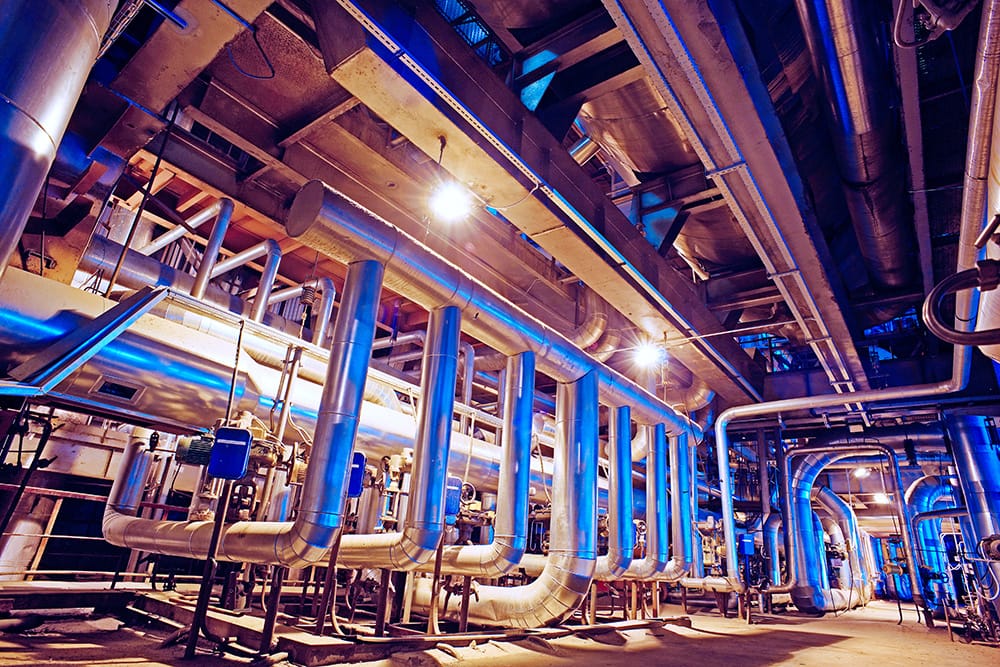
Components built for extreme environments—high temperatures, pressure, wear, and corrosion—represent some of the most demanding challenges in manufacturing. They must hold tight tolerances and deliver predictable, long-life performance under stress, yet conventional supplier models often introduce significant risk through long lead times, inflexibility for specialized or low-volume builds, late-stage scrap or rework, and limited qualification pathways.
Guided by Design for Hybrid Manufacturing (DfHM) principles, this model integrates design, material selection, build strategy, finishing, documentation, and qualification-aware execution into a single, coordinated workflow. This approach targets two critical areas: performance outcomes and supply chain risks.
Lightweight Structural Systems
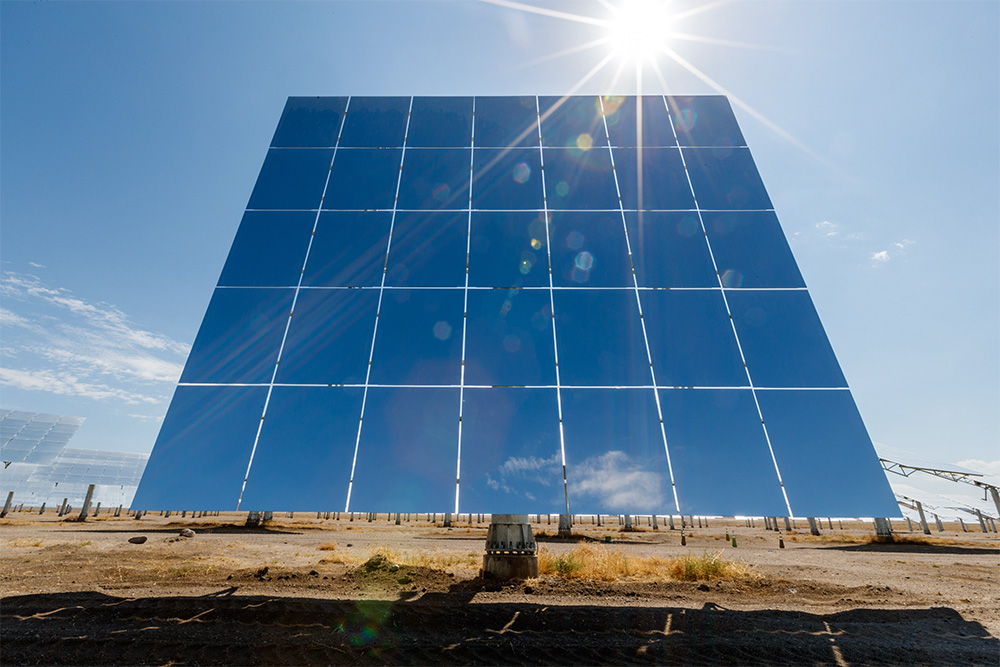
Lightweight structural systems must deliver predictable performance under load, temperature variation, impact, and long-term environmental exposure while remaining practical to manufacture. Success depends not just on reducing mass, but on ensuring durability and managing geometric complexity.
Polymers and composites are often preferred for their high strength-to-weight ratios, yet realizing their full potential requires coordinated control of tooling, materials behavior, inspection, and scale-up. Multiscale supports polymer and composite programs where these factors must be engineered together, not treated separately.
Nuclear Systems

Multiscale Systems engineers performance-driven components for nuclear and energy applications using advanced materials and hybrid manufacturing. By combining wire-laser directed energy deposition with precision CNC machining in a single setup, Multiscale produces fully dense, inspection-ready parts in heat-, wear-, and corrosion-resistant alloys, while reducing lead times, simplifying supply chains, and delivering documentation that meets nuclear quality assurance standards.