
Components operating in extreme conditions—those with excessive temperatures, pressure, wear, and corrosion—present some of the most difficult challenges in modern manufacturing. These parts must maintain tight tolerances, predictable behavior, and long service life while exposed to demanding conditions.
For programs that rely on these components, conventional manufacturing approaches are often high risk due to long lead times, late-stage scrap or re-work, inflexibility for specialized or low-volume components, and limited qualification pathways.


Industries
Industries commonly affected by extreme environmental conditions often face accelerated wear, unpredictable failure modes, and higher downtime risk, especially when components must perform under heat, corrosion, abrasion, pressure, or radiation.
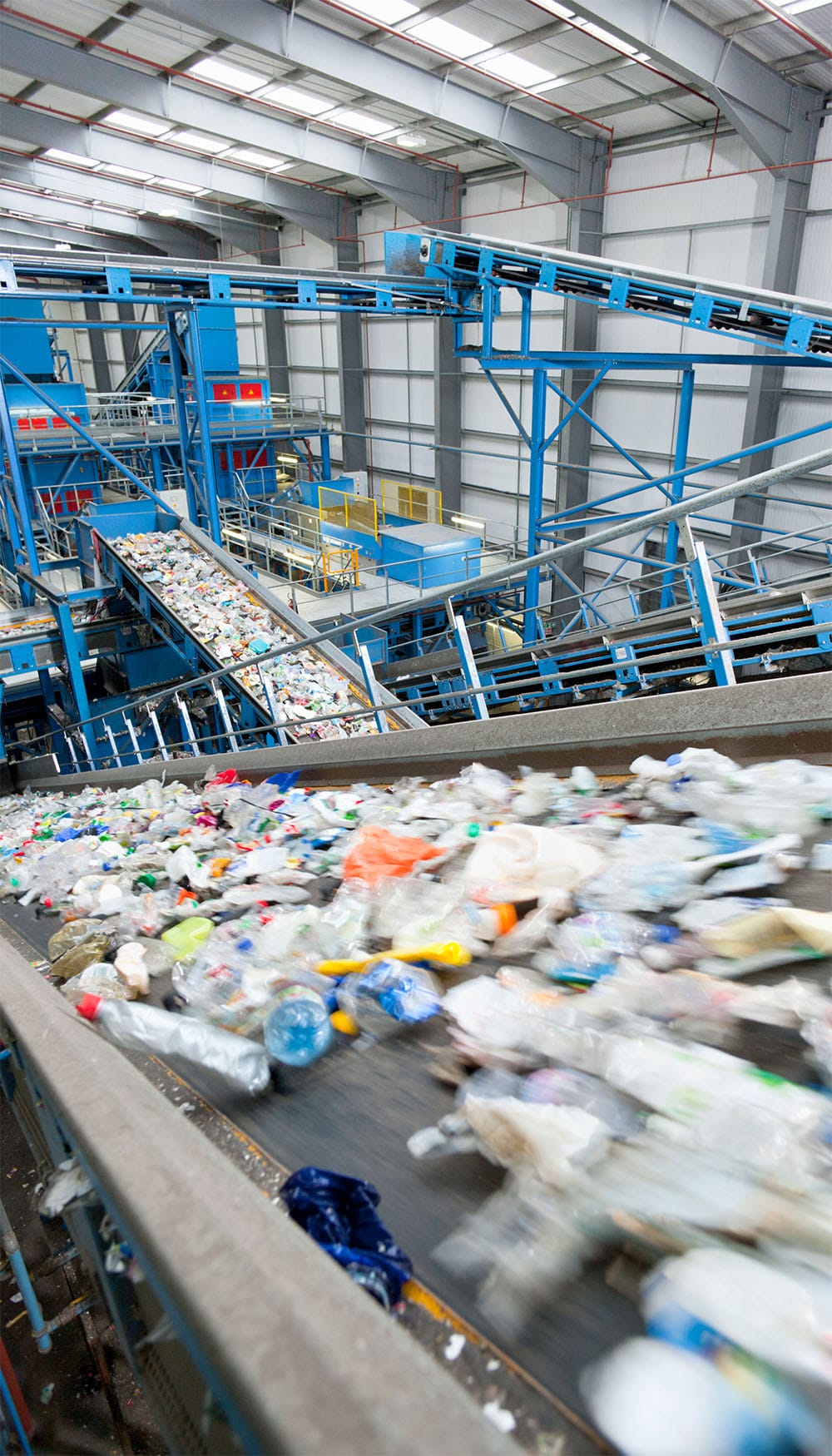
Examples include nuclear and other energy generation, mining and materials, waste management, oil and gas extraction, and manufacturing.

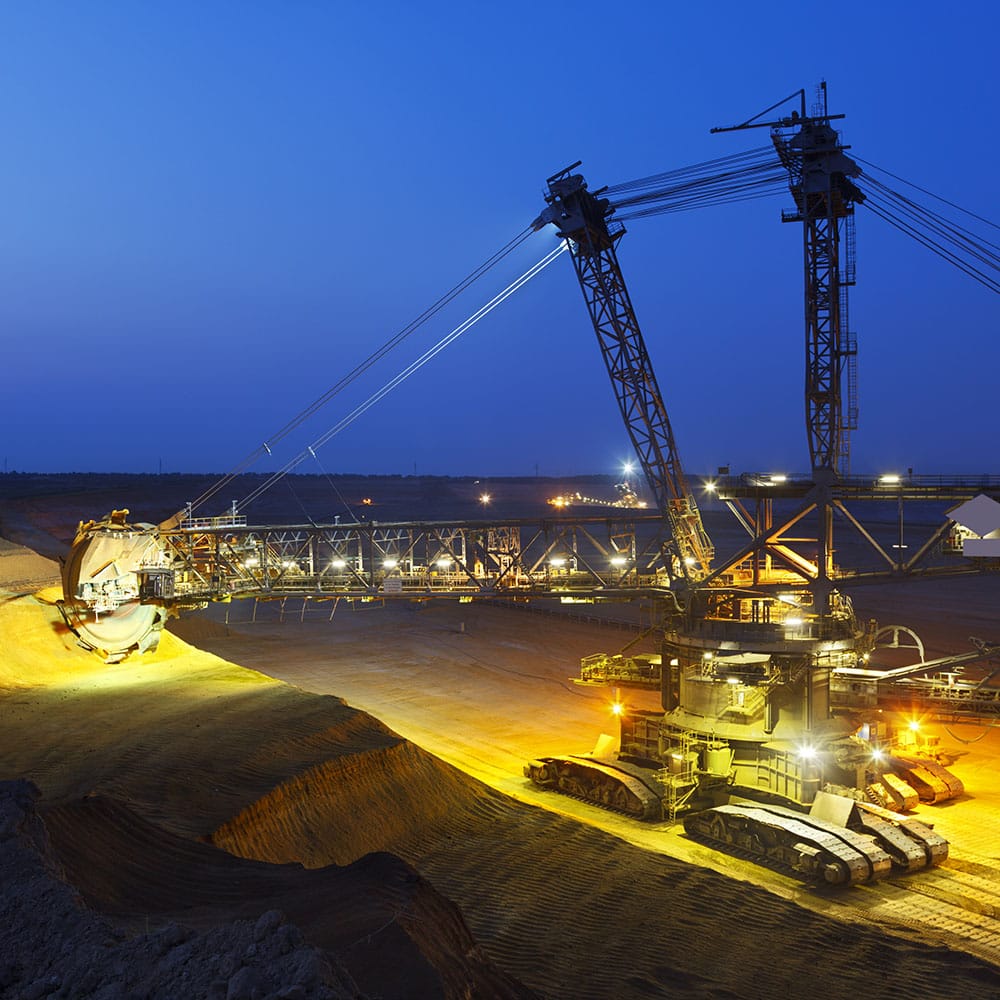
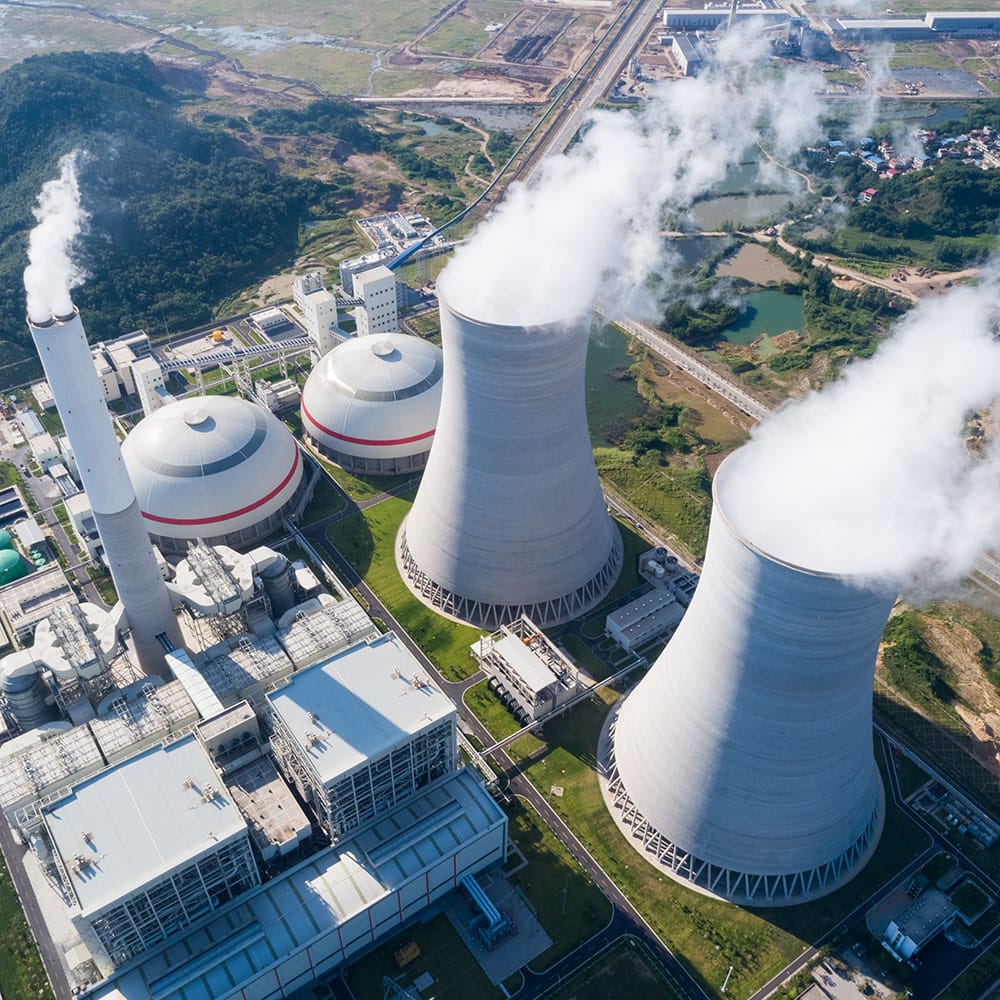






• High-temperature / high-pressure valves, pumps, and flow-control
• Corrosion-resistant piping components, flanges, manifolds, and fittings
• Turbine, compressor, and rotating-equipment wear surfaces
• Reactor-adjacent structural and fluid-handling components
• Crushing and conveying wear parts
• Drill and cutting system components
• Bearings, bushings, and sleeves
• Corrosion/abrasion-resistant fittings and connectors

• Ash, sludge, and abrasive media handling components
• Corrosion-resistant ducting and flow hardware
• Components for equipment that run continuously with contamination

• Downhole hardware
• Erosion/corrosion-resistant parts
• Pump and compressor components

• Reactor and vessel internals
• Heat-exchanger hardware
• High-wear components in solids handling
• Sealing and bearing-adjacent hardware in rotating equipment
• High-temperature/thermal-cycle parts


Challenges
Extreme-environment hardware is challenging for several reasons, including those that extend beyond the operating envelope.
The same components that must hold tight tolerances under thermal, chemical, and wear stress are often produced through legacy supply chains that depend on long-lead castings, forgings, or specialized tooling. The result is a combined operational and supply-chain burden—where performance, schedule, yield, and traceability risks reinforce each other.
Operational challenges
Components that fall into the extreme-environment application have a service life dominated by demanding operating conditions, and often concurrent ones. They traditionally distort, degrade, and wear parts down quickly.
Operational challenges can include:
- Thermal extremes and cycles
- Corrosive or reactive exposure
- Wear interfaces with heavy duty cycles
- High pressures and vacuums
Supply chain challenges
Conventional manufacturing approaches that involve traditional stock removal, casting, forging, or specialized tooling present operational risk to programs requiring these high-performance parts.
Supply chain challenges can include:
- Too-long lead times
- Late-stage scrap or re-work
- Insufficient tolerance control
- Excessive material waste
- Limited material options
- Fragmented traceability
- Shrinking supplier base
Multiscale Systems’ Approach
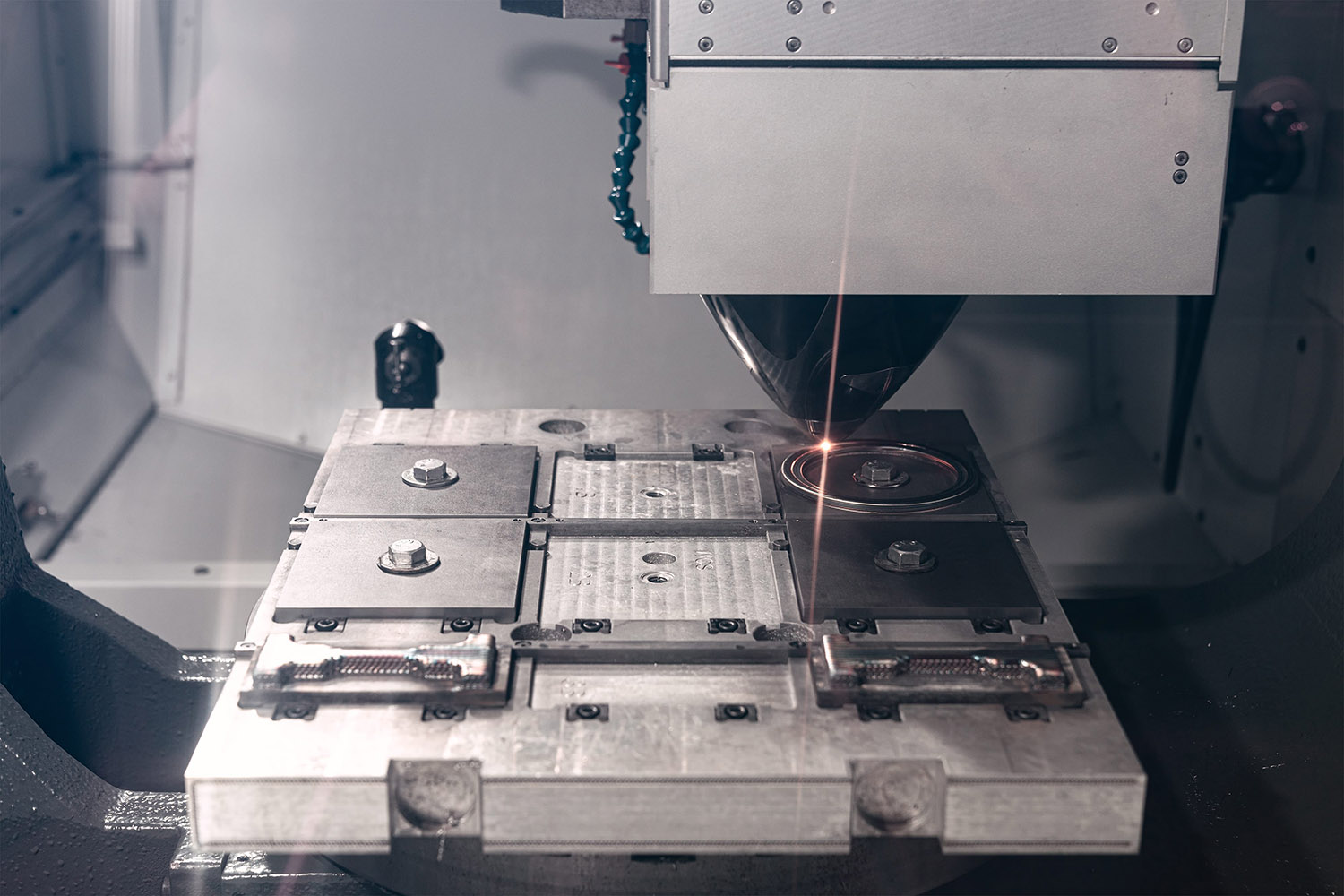
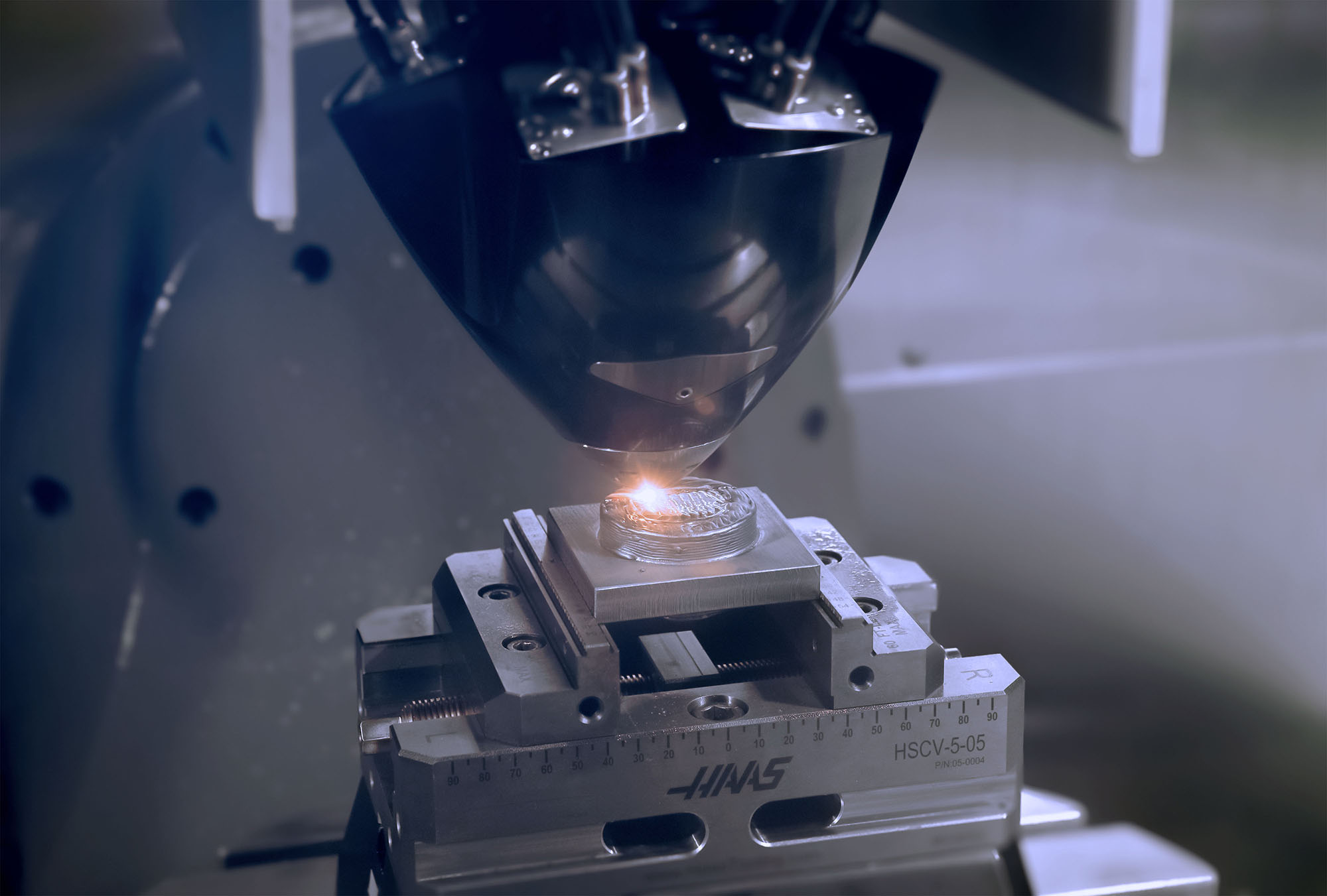
Multiscale addresses the challenges of extreme environmental components through an engineering-led manufacturing model that focuses on wire-laser hybrid manufacturing.
Guided by Design for Hybrid Manufacturing (DfHM) principles, this model integrates design, material selection, build strategy, finishing, documentation, and qualification-aware execution into a single, coordinated workflow. This approach targets two critical areas: performance outcomes and supply chain risks.
Use Cases
Many of Multiscale’s solutions for extreme environments originated in SBIR and advanced R&D programs that have since informed production-oriented manufacturing strategies.
Below are examples of use cases where extreme environmental conditions were a key factor in the design and material selection of the component.


Extreme Corrosion and Heat: Nuclear Bearings
High-performance alloys (Nickel 718, AWS 5.21 ERCoCr-A, and H11 tool steel) were used to create these custom bearings for sodium fast nuclear reactors, which are highly corrosive environments where temperatures approach 1,000°F. Testing assets and production articles were built in parallel, supporting rapid prototyping, first-article development, and in-process validation aligned with nuclear qualification requirements.
Extreme Corrosion and Heat: Nuclear Bearings
High-performance alloys (Nickel 718, AWS 5.21 ERCoCr-A, and H11 tool steel) were used to create these custom bearings for sodium fast nuclear reactors, which are highly corrosive environments where temperatures approach 1,000°F. Testing assets and production articles were built in parallel, supporting rapid prototyping, first-article development, and in-process validation aligned with nuclear qualification requirements.

Extreme Heat and Wear: Hardened Sprue Bushings
These multi-material sprue bushings were produced with an Inconel® 718 core for use in polymer and composite mold tooling, in which extreme thermal and mechanical wear is prevalent. Inconel was chosen for its high temperature and wear resistance, and the mild steel outer body for machinability and cost control.
Extreme Heat and Wear: Hardened Sprue Bushings
These multi-material sprue bushings were produced with an Inconel® 718 core for use in polymer and composite mold tooling, in which extreme thermal and mechanical wear is prevalent. Inconel was chosen for its high temperature and wear resistance, and the mild steel outer body for machinability and cost control.